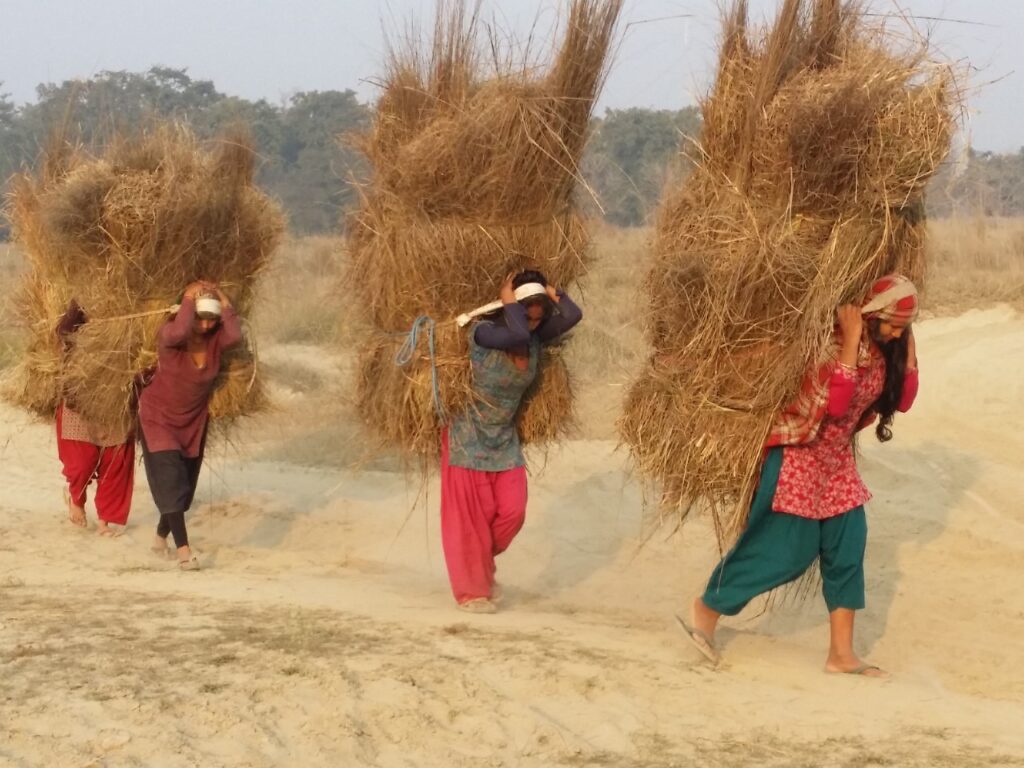
The natural environment and landscape we live today have been constantly impacted by both climatic and anthropogenic threats. Over the past 60 years, humans have changed the ecosystems more rapidly and extensively than in any comparable period of time in the human history, largely to meet growing demands of food, fuel and fibers and further aggravating the extinction rate of rare and high value biodiversity.
In the context of Nepal, the Government of Nepal has taken a number of conservation initiatives such as managing Protected Areas, Landscape Level Conservation, Restoration of corridor and connectivity, Community Forests, Integrated Water Resources and conserving wetlands across the physiographic zones. Similarly, Nepal is a home to a number of rare, endangered and iconic species including Tiger, Rhino, Wild Elephant, Snow Leopard, and Red Panda, has become a popular tourism destinations of the world. With the view to achieve the prosperity, Nepal has been committed to achieve the Sustainable Development Goals (SDGs) and status of a middle income country by 2030.
Conservation objectives cannot be achieved without the meaningful participation and involvement of women, Dalit, Madheshi, Indigenous and forest dependent communities as their reliance on the natural resources are high. It is therefore inclusion issue of these marginalized segments of the society is of utmost importance. In addition, natural resources and rich biodiversity are equally under the threats of drivers of deforestation and forest degradations.
In light of addressing these challenges and issues, Worldwide Nature Conservation Nepal (WWN) was established in 2015 by some conservation professionals. The WWN is a conservation initiative of a multidisciplinary team of professionals with over two decades of experience in respective fields. The WWN aims to address above mentioned challenges by building the capacity of local institutions and civil society organization, promoting local and indigenous knowledge systems, provide skill straining, initiate policy dialogue and carry out the research studies on relevant fields.
Our Vision is to bring Ecological integrity in conservation landscapes is improved for the welfare of the citizens of Nepal
Our goal is to contribute to make development projects eco-friendly
• Policy Dialogue: Organize conferences, seminars, policy dialogues, consultation meetings, talk programs and interaction programs in line with the rights identified by national and international instruments for local communities, Indigenous Peoples, women and marginalized communities.
• Strengthening Institutional Mechanism: Support establishing and or strengthening institutional mechanism to the national and local institutions, CSO, Community Based Forest Management Groups and informal sectors.
• Networking: Develop institutional linkages with like-minded national, regional and international institutions.
• Basic Research: Carry out basic research on status, process and impact related to Environment, Natural Resources, Biodiversity Conservation, Climate Change, REDD+ in close partnership with academia, national and international institutions.
• Applied Research: Conduct action research on environmental fields including but not limited to sustainable forest management, biodiversity conservation, climate change, indigenous knowledge, sustainable development, green infrastructures, forest based enterprises, nature based solutions, conflict management, wildlife management, value chain etc.
• Assessment Study: Assessment and evaluation study on biological resources, social science, biological corridor and connectivity, climate change, local livelihoods, watershed management and governance among others.
• Capacity Development: Workshop, Skill training, Advocacy, Campaign and Extension, Educational tour, Seminars, Case Study.
• Sensitization: Publish and circulate briefing papers, newsletters, discussion papers, monographs and policy briefs.
Women, Children, Adolescent, Poor, Dalit, Disadvantaged People, Marginalized and Climate Vulnerable Community, Farmers, Cooperative, Water Users and Forest Users Groups.
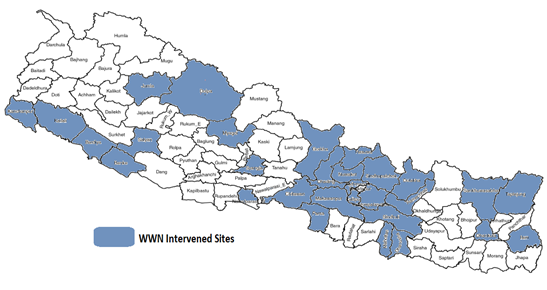
WWN is working directly and indirectly more than 30 districts covering all provinces in Nepal. It has an experiences working in high Himal to Terai districts and far western to far eastern.
2025 marks a momentous milestone for Worldwide Nature Nepal (WNN) as we proudly celebrate a decade of unwavering dedication to environmental conservation, community empowerment, and sustainable development across Nepal. Over the past ten years, WNN has worked tirelessly to achieve its core goals: protecting Nepal’s rich biodiversity, mitigating climate change, promoting eco-friendly livelihoods, Health services and fostering environmental awareness among communities.
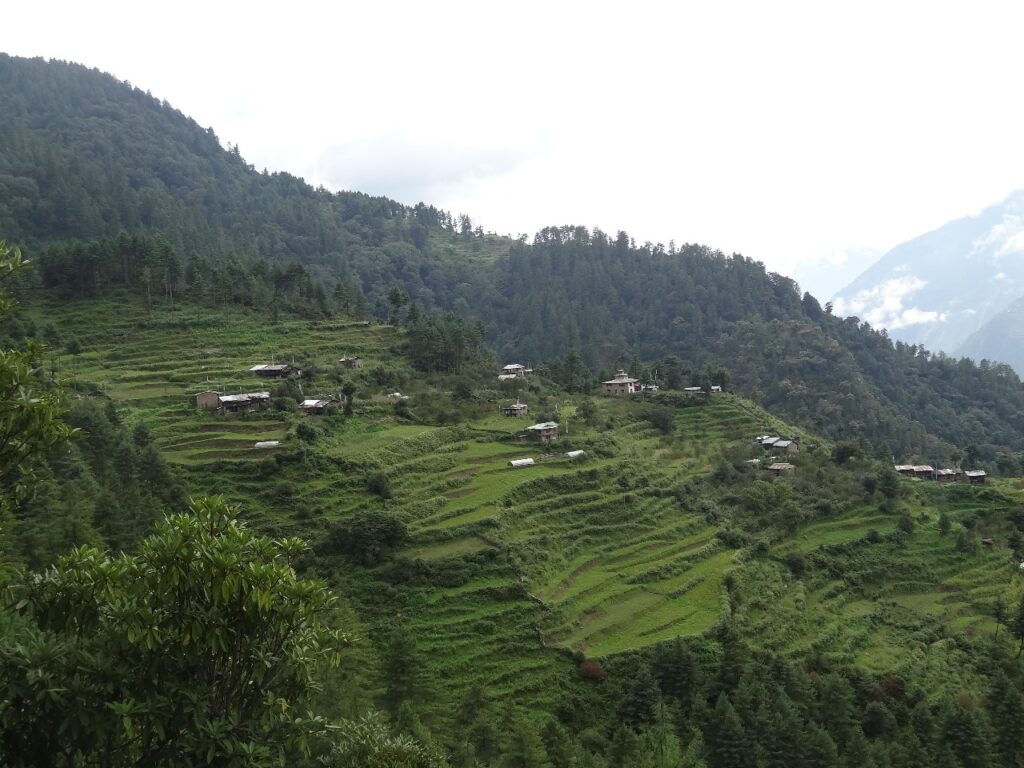
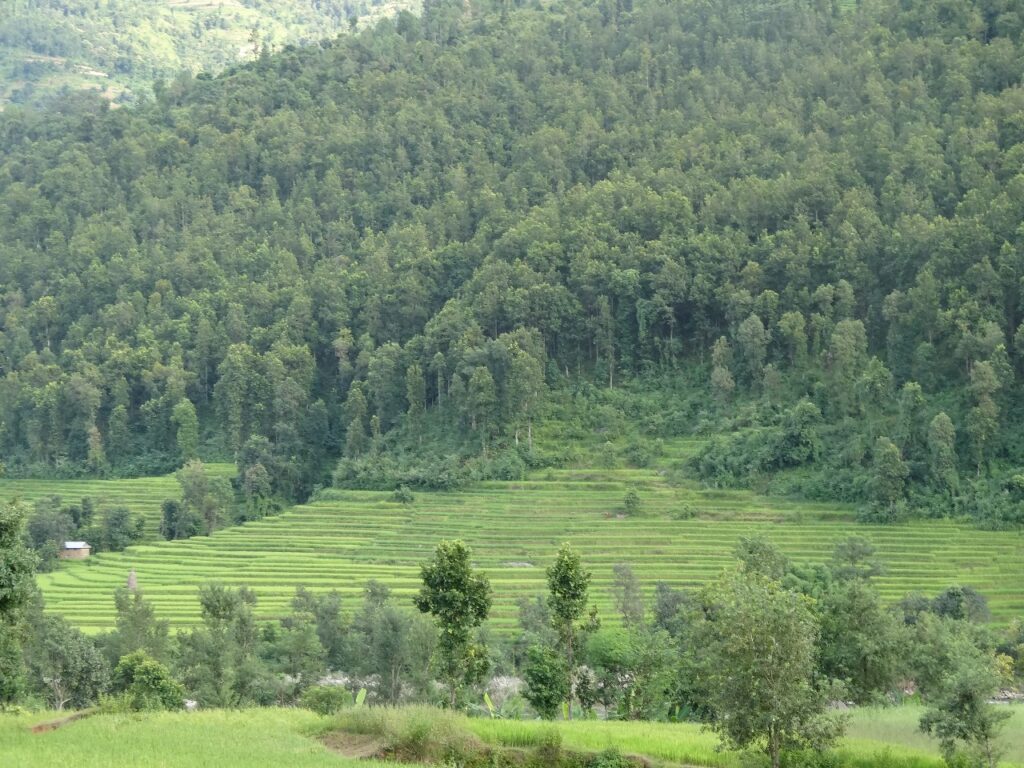
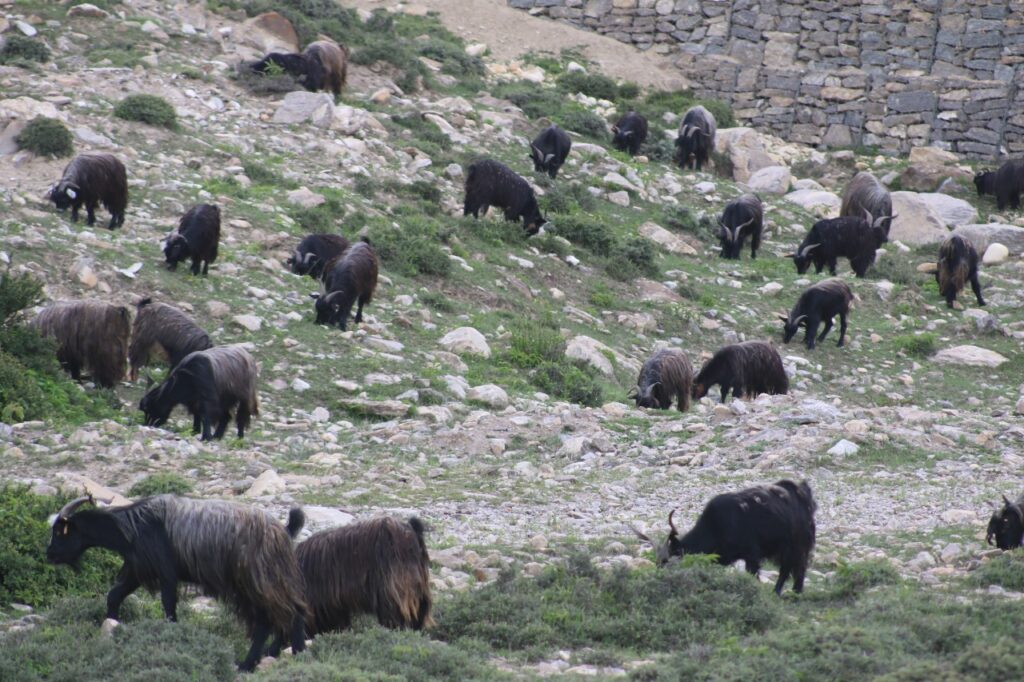
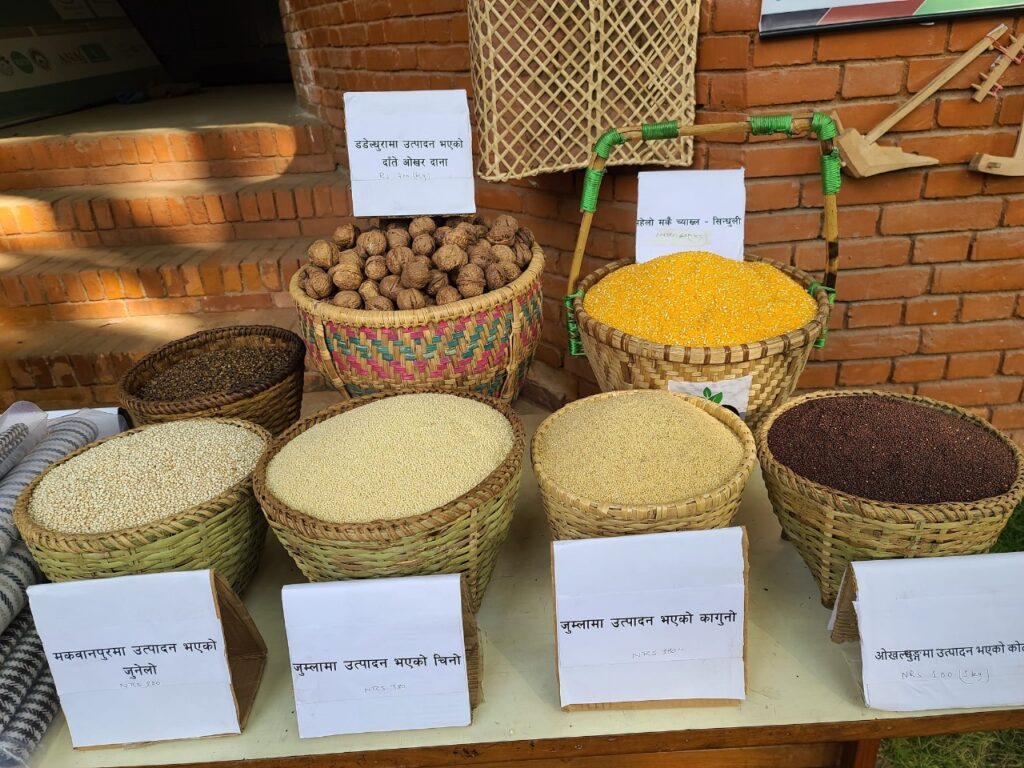
From the soaring peaks of the Himalayas to the lush Terai plains, WWN has made significant strides in biodiversity conservation. We have successfully collaborated with local communities, ministry and NGOs/INGOs to conserve and protect Indigenous Crop Species, Assessment of NTFPs, and livelihoods, Homestay assessment and training, promotion of ecotourism, assessment of human wildlife conflicts situations and suitable mitigation measure, raithane products promotion and its market development etc
Our commitment to contribution in nature conservation and livelihoods has resulted in impactful community-based initiatives. Over the past decade, WWN has facilitated to renew operational plan of community forest with the planting of native trees through its reforestation programs, restoring degraded ecosystems and creating green jobs.
Sustainable livelihoods lie at the heart of our mission. WWN has empowered over 2,000 local families, especially women and marginalized groups, by promoting eco-tourism, organic farming, and handicraft production. These income-generating programs have not only improved living standards but also strengthened community stewardship of natural resources.
Environmental education has been a cornerstone of our work. Through school programs, awareness campaigns, and youth-led conservation clubs, WWN has engaged more than 50,000 students and young leaders across the country. These initiatives have nurtured a generation of environmentally conscious citizens, ready to lead Nepal toward a greener future.
As we look back with pride, we also look ahead with renewed purpose. The challenges are great—but so is our determination. With the continued support of our partners, communities, and donors, Worldwide Nature Nepal reaffirms its commitment to building a resilient, bio diverse, and sustainable Nepal for generations to come.
Preserving and restoring natural landscapes to maintain ecological balance.

Sustainable use and protection of essential resources like water, soil, and minerals.

Protecting various species and their habitats to ensure ecosystem health.

Ensuring the survival of wildlife through habitat preservation and species protection.

Addressing impacts of climate change with effective mitigation and adaptation strategies.

Reducing emissions from deforestation and forest degradation while promoting sustainable forest management.

Implementing policies and practices for effective management and protection of natural resources.

Promoting sustainable agricultural practices to balance productivity with environmental conservation.

Understanding and integrating community dynamics and social factors into conservation efforts.

Applying economic principles to support sustainable development and resource management.
Your generous donation helps us protect Nepal’s natural landscapes and support local communities. Every contribution enables us to advance conservation projects, conduct essential research, and promote sustainable practices. Join us in making a positive impact—donate today to support a healthier, more resilient environment for future generations.